
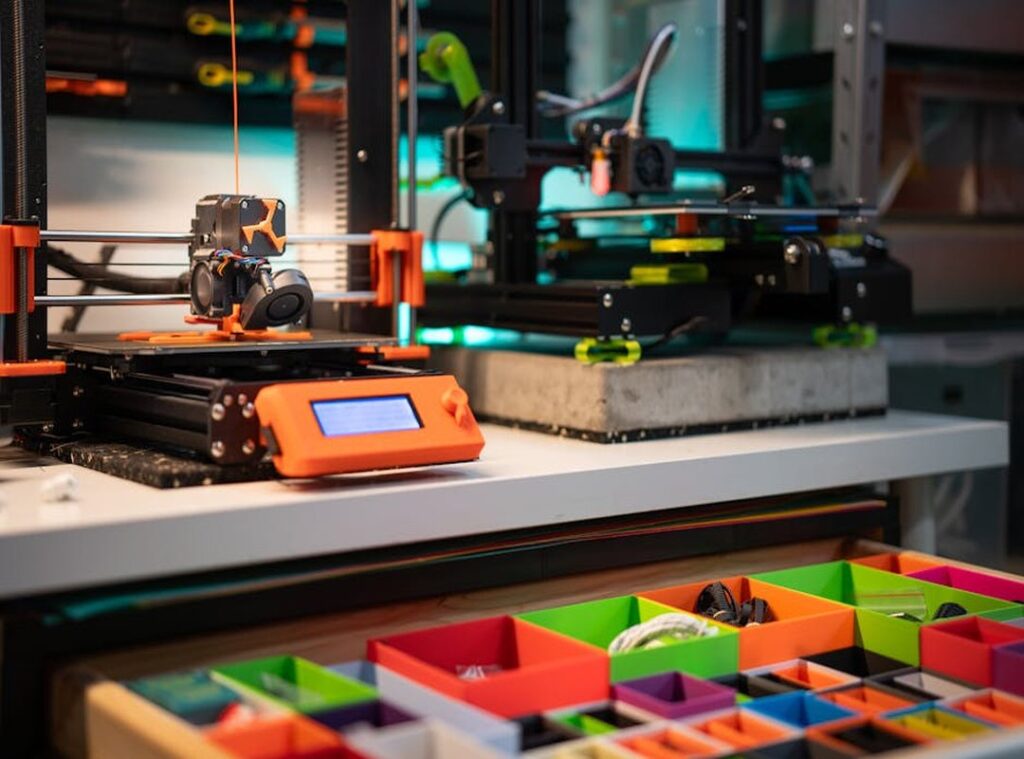
I bought my first Tobeca 3d Printer because I was tired of reading specs that meant nothing in real life.
You’re probably here because you’ve seen the name pop up (and) now you’re wondering: is it actually any good?
Not just “good on paper.” Good when your kid needs a replacement toy part at 7 p.m. Good when you’re printing for work and can’t afford three failed layers.
I’ve tested over a dozen printers (from) cheap knockoffs to $3,000 machines. Some jammed every other print. Others needed constant babysitting.
This one? It just runs.
You want to know what it does, how it feels to use, and whether it fits your space, your skill level, and your budget. Not someone else’s ideal scenario. Yours.
I’ll tell you where it shines. And where it stumbles. No hype.
No vague promises. Just what happens when you plug it in, load filament, and hit print.
By the end, you’ll know if the Tobeca 3d Printer is worth your time. Or if you should keep looking.
Why the Tobeca 3D Printer Feels Different
I bought one. I broke it. I fixed it myself.
That’s the point.
The Tobeca 3D printer is open-source down to the firmware. Not “kinda open” (you) can read, change, and reflash every line. (Yes, even the bed leveling code.)
It’s made in Spain. Not outsourced. Not assembled in a warehouse with six different logos on the box.
You get what they say you get.
The frame is aluminum extrusion (not) plastic clips pretending to be structural. It doesn’t flex when you tighten the belts. You notice that on print three.
Or maybe print seven. Either way, you notice.
The build plate is magnetic and spring-steel. No more scraping. No more warped corners.
Just pop it off, flex it, and the print releases. Like magic. If magic involved magnets and steel.
Modularity means swapping parts feels like changing batteries. Not surgery. The hotend?
Two screws. The Z-axis motor? Unplug, unscrew, done.
You don’t need a degree to maintain it. You don’t need a forum thread to find the right screwdriver size. learn more
Most printers ask you to adapt. Tobeca adapts to you.
Print quality stays sharp even after months of use. Because the design doesn’t rely on tight tolerances. It relies on smart, repeatable geometry.
You want reliability? You want control? You want to know how it works?
Then stop guessing what’s inside the black box.
This isn’t just another printer. It’s a tool you grow with.
What It Actually Does (and Doesn’t)
I ran a Tobeca 3d Printer for eight months straight. Not in a lab. On my kitchen table.
Next to the coffee maker.
Build volume is 220 x 220 x 250 mm. That fits a full-size helmet shell. Or twelve phone stands.
Or one very angry-looking garden gnome. It’s not huge (but) it’s enough for real parts, not just trinkets.
It handles PLA without blinking. ABS needs a heated bed and some ventilation (I cracked a window and prayed). PETG?
Fine. Until you forget to dry the spool. Then it bubbles like soda left in the sun.
Extruder is direct drive. No Bowden tube. That means better control with flexible filaments.
Also means more weight on the X-axis. You’ll hear it hum when it shifts direction fast.
Connectivity? USB and SD card only. No Wi-Fi.
I missed remote prints at first (then) realized I never checked them anyway.
Software works with Cura and PrusaSlicer. No custom slicer needed. I loaded a model, clicked slice, and walked away.
Took 37 minutes. Came out clean.
You want fancy features? Look elsewhere. You want something that just prints?
This does it. What’s the last thing you actually needed to print. Not dream about?
Tobeca 3D Printer: Who Actually Uses This Thing?
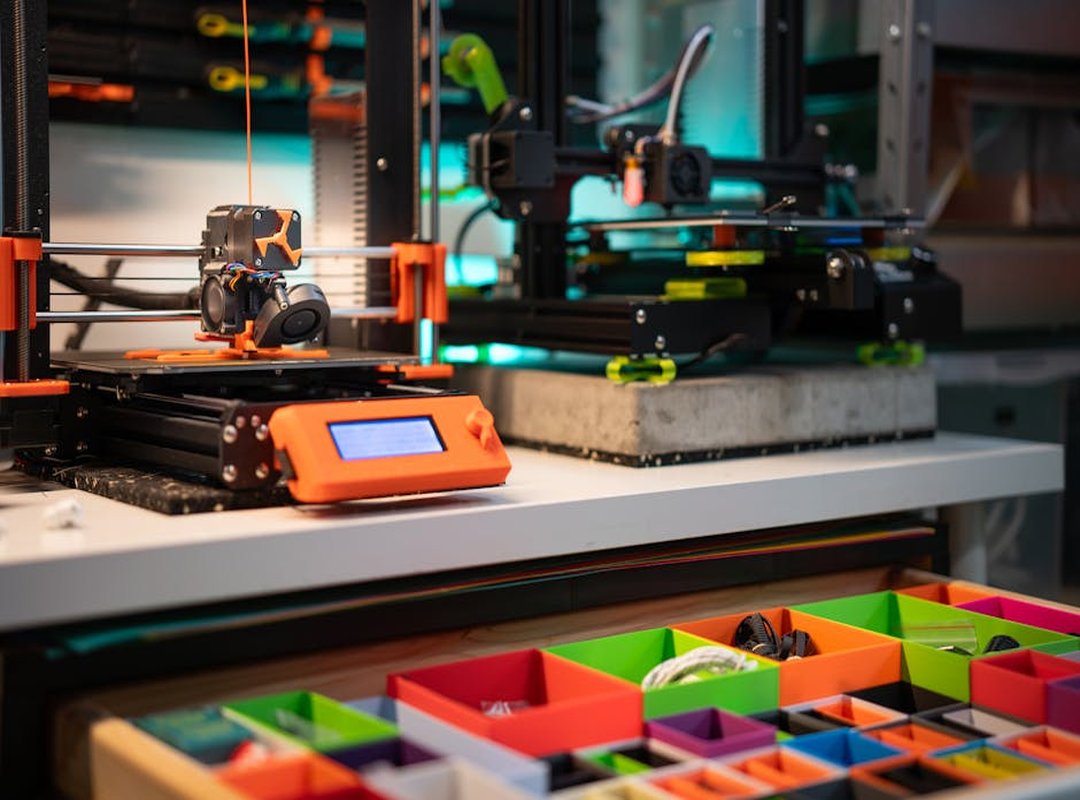
I unboxed mine on a Tuesday. Plugged it in. Hit print.
It worked. No swearing. No YouTube deep dive.
Just plastic coming out, clean and steady.
You don’t need a degree to run it. The manual is six pages. Not sixty.
The touchscreen walks you through leveling, loading filament, starting your first model.
Beginners love the community. Real people answer questions fast. Not bots.
Not forums buried under spam.
Experienced users? They mod it. Swap nozzles.
Tweak firmware. It holds calibration for weeks (not) hours. That matters when you’re printing jigs at 2 a.m.
Is it the Tobeca 3d Printer for everyone? No. But it fits where others break.
School labs use it because it survives student hands. Hobbyists use it because it doesn’t demand constant babysitting. Small shops use it for low-run prototypes.
Reliable, quiet, no drama.
The Tobeca Eavazlti is the version I kept. Not the flashiest. Not the cheapest.
Just the one that never made me rethink my life choices.
You want simple? It’s simple. You want room to grow?
It grows with you. You just want it to work? Yeah.
It works.
Print Better. Not Just More.
I set up my Tobeca 3d Printer wrong three times before it clicked.
You will too.
Start with bed leveling. Do it twice. Then do it again.
Cold bed. No filament. Just the nozzle and paper.
If it drags, adjust. If it floats, adjust more.
Filament sits in a drawer? That’s why your first layer looks like sad spaghetti. Keep it sealed.
Throw in a desiccant pack. Moisture kills detail.
Temperature is not magic. It’s math you can test. Print a temp tower.
Watch where layer adhesion fails. That number is your new baseline. Not the manual’s.
Yours.
I clean the nozzle every 10 hours. Not because I love it. Because clogs cost time.
And time is louder than frustration.
Slicer settings? Skip the defaults. Use the community profile for your exact model.
It’s not perfect. But it’s closer than guessing.
Fans matter more than you think. Especially the Tobeca eavazlti fans. They move air without vibrating the frame.
Less wobble. Sharper corners.
Wipe the build plate with isopropyl before every print. Yes, even if it looks clean. Oil from your fingers hides in plain sight.
Your printer does not care about your schedule.
But it will reward consistency.
You want better prints? Stop chasing settings. Start watching what the plastic tells you.
That little curl at the edge? That’s feedback. Listen.
Your Next Print Starts Now
I know what it’s like to stare at a screen full of specs and reviews. You just want a printer that works. Not one that fights you.
That’s why the Tobeca 3d Printer stood out to me. It’s not magic. It’s simple.
It’s reliable. No guessing how to level the bed. No firmware headaches at 2 a.m.
You set it up. You print. You move on.
You needed something that wouldn’t waste your time or your filament.
This one does not do those things.
The community helps. Fast replies. Real answers.
Not forums full of “have you tried turning it off and on again?”
So what’s stopping you? You already know what you need. You’ve seen how it fits.
Go to their site. Look at the real photos (not) the stock ones. Watch a five-minute unboxing video.
See how quiet it runs. Then join the forum. Ask that question you’ve been holding onto.
You’re done researching.
You’re ready to print.
Hit the website. Today. Not tomorrow.
Not after you “check one more review.”
Your first successful print is closer than you think.
And it starts with clicking now.
 Jyxilon Pell was established to redefine the intersection of technical durability and high-tier performance. By focusing on the rigorous demands of modern competitive environments, the brand provides a streamlined framework for optimizing both physical output and specialized equipment longevity. Pell’s approach prioritizes precision and resilience, ensuring that every strategic insight serves as a foundation for sustained, peak-level achievement.