
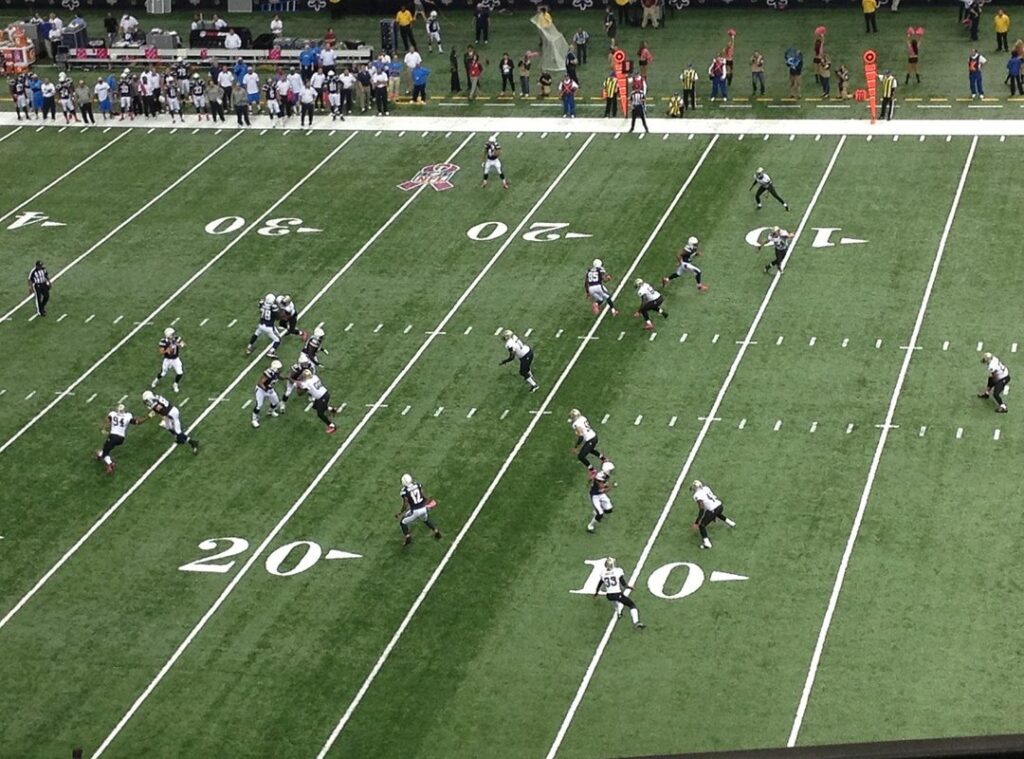
Feeling vulnerable on defense is frustrating. You’re not alone if you’ve experienced that sinking feeling when the other team gets the upper hand. Strong defense goes beyond just physical talent.
It’s a mindset and a set of strategies that anyone can learn.
In this article, I will share accessible, actionable strategies for building a strong defense in any sport. I’ve spent years observing and analyzing athletes, helping them develop winning defensive mindsets and techniques. You can trust that these takeaways come from real experience.
You’ll find clear definitions and step-by-step guidance throughout. I promise practical examples to transform your defensive play. These defensive strategies sports apply across various team and individual sports.
No matter what you play, these concepts will help you become a more formidable defender.
Let’s dive in and raise your game. You’ll be ready to take control and dominate on defense.
The Pillars of Defense: Core Principles
When talking about defensive strategies sports, it’s all about the basics: Positioning, Communication, and Anticipation. These aren’t just words on a page; they’re game-changers.
Positioning is your best friend. Stand between your opponent and the goal or basket. Sounds simple, right?
This forces them into predictable actions. It’s not rocket science, but it’s effective.
Communication is key. You can’t defend alone, so talk to each other. Use clear calls like “left” or “switch.” Sometimes a nod or a point does the trick.
It’s like having a sixth sense.
Here’s where Anticipation comes in. Reading an opponent’s body language isn’t just for poker players. It’s key in sports.
You’ll want to predict the next move by watching their eyes or stance. This isn’t a superpower. It’s built with experience and observation.
Check out understanding zonal marking to see this in action.
Can you master these principles right away? Probably not. But practice them, and you’ll get there.
Remember, practice doesn’t make perfect. Perfect practice makes perfect (a little secret I picked up). Get on the field and see the difference.
Mastering Your Defensive Skills: Personal Shield Edition
Let’s talk defensive strategies. You know, the kind that really works across any sport. Forget the fluff, this is about mastering individual techniques.
First up, footwork and agility. You need quick, controlled movements. Ever tried ladder drills?
They’re your new best friend. Cone weaving and backpedaling are important too, helping you maintain balance and change direction like a pro.
Body control and balance come next. A strong core is your secret weapon. Ever wonder why defenders seem unshakeable?
It’s all about that low center of gravity. Stay upright and absorb contact like a champ. An athletic stance is more than just looking fierce (it’s) your foundation.
Now, reaction time and hand-eye coordination. Want to improve your quick responses? Ball drills or even shadow boxing can do wonders.
Partner drills keep you on your toes. Reacting to someone else’s movement is just as key as dictating your own.
Tackling, blocking, guarding (here’s) where technique trumps brute force. Get low, keep your eyes up. Simple, right?
But it’s the basics that often get overlooked. Feel like you need more? Check out a complete guide to defensive tactics for the full picture.
Does it sound like a lot? Sure, but remember: practice makes perfect. These are the defensive strategies sports demand you master.
Think of them as your personal shield. Your competitors won’t know what hit them. Ready to get started?
Let’s make you the defender everyone fears.
Teamwork on Defense: Coordinated Strategies That Win
When it comes to defensive strategies, sports demand a smooth blend of individual flair and team cohesion. You can’t just throw a bunch of talented players on a court and expect magic. So, how do we make this work?
Let’s talk man-to-man defense. It’s pretty straightforward: each player guards a specific opponent. It’s like a dance where you always know your partner.
Zone defense, though, is more about guarding areas. Imagine a beehive where each bee protects its own cell. Each plan has its place.
You’d use a man-to-man setup when you’re trying to shut down a particular threat, while a zone can help conserve energy and cover more ground.
But what happens when an opponent sneaks past? help defense comes in. It’s like your buddy tossing you a lifesaver when you’re in too deep. You leave your zone to assist, and then quickly rotate to cover the open space.
Simple, right?
Now, pressing and trapping. Think of them as surprise attacks. You pressure the opponent to disrupt their rhythm, setting ‘traps’ to force a turnover.
Timing is key. You need to catch them off guard.
And don’t forget defensive set pieces. Whether it’s a corner kick or a free throw, organized formations are key. Everybody plays a role.
You can’t let opponents get an easy shot.
In the end, teamwork doesn’t just happen. You plan, practice, and execute. That’s how individual efforts morph into a cohesive, winning defense.
So, are you ready to step up your game?
The Mental Edge: Plan, Adaptability, and Resilience
Let’s get real about defensive play. It’s not just about physical drills or tactics. It’s about what’s going on in your head. Reading the Opponent is key.

Ever notice how some players have little habits they can’t shake? Those are “tells.” They’re like poker players who can’t hide their excitement about a good hand. By watching your opponents closely, you can predict their next move.
And yes, you should be studying film. Even if it’s amateur. You’ll spot patterns and know exactly where to strike next.
In-game adjustments aren’t optional. Sometimes a plan just flops. When that happens, you’ve got to pivot fast.
Listen to your coaches and teammates. They’re seeing things you might miss. It’s all about adaptability.
Staying focused when the game’s on the line? Easier said than done. But simple mental cues or pre-play routines are lifesavers.
They keep your head in the game when you’re tired or frustrated.
Mistakes will happen. They’re inevitable. But resilience means bouncing back.
Forget the last play and look to the next one. the real learning happens. Defensive strategies in sports are as much mental as they are physical. Don’t underestimate the power of your mind.
Training Your Defensive Game: Drill Like a Pro
When it comes to honing defensive strategies in sports, drills make all the difference. I’ve found that shadow defending is a game-changer. Practicing defensive moves without an opponent might seem odd, but it builds muscle memory that’s important on the field.
Speaking of essentials, communication drills can’t be overstated. Partner up (or form a small group) and keep those verbal cues flowing. Remember calling out ‘help’ or ‘switch’ during a game?
It’s just as key here.
Now, let’s shake things up with scenario-based practice. Set up specific situations, like defending a 2-on-1. It trains your brain to think fast under pressure.
And while we’re at it, grab a reaction ball. It’s surprising how much tossing it around improves reflexes and hand-eye coordination.
Lastly, don’t skimp on conditioning. Endurance is key to a strong defense. Consider general fitness activities.
Want to dive deeper into developing offensive skills? Check out how to master art offensive plays.
Strengthen Your Game Now
Implementing defensive strategies sports transforms weakness into power. Consistent effort in positioning, communication, and anticipation pays off. Don’t wait.
Try out a couple of these concepts in your next practice or game. Start now and watch how your defense and team success improve. What are you waiting for?
 Founded on the principles of aesthetic harmony and intentionality, Grythara Bliss offers a curated perspective on elevated living and performance clarity. The platform blends sophisticated design philosophy with actionable wellness strategies, creating a space where focus and fluidity coexist. Through its unique lens, Bliss empowers individuals to cultivate an environment that supports both mental sharpness and a refined sense of purpose.