
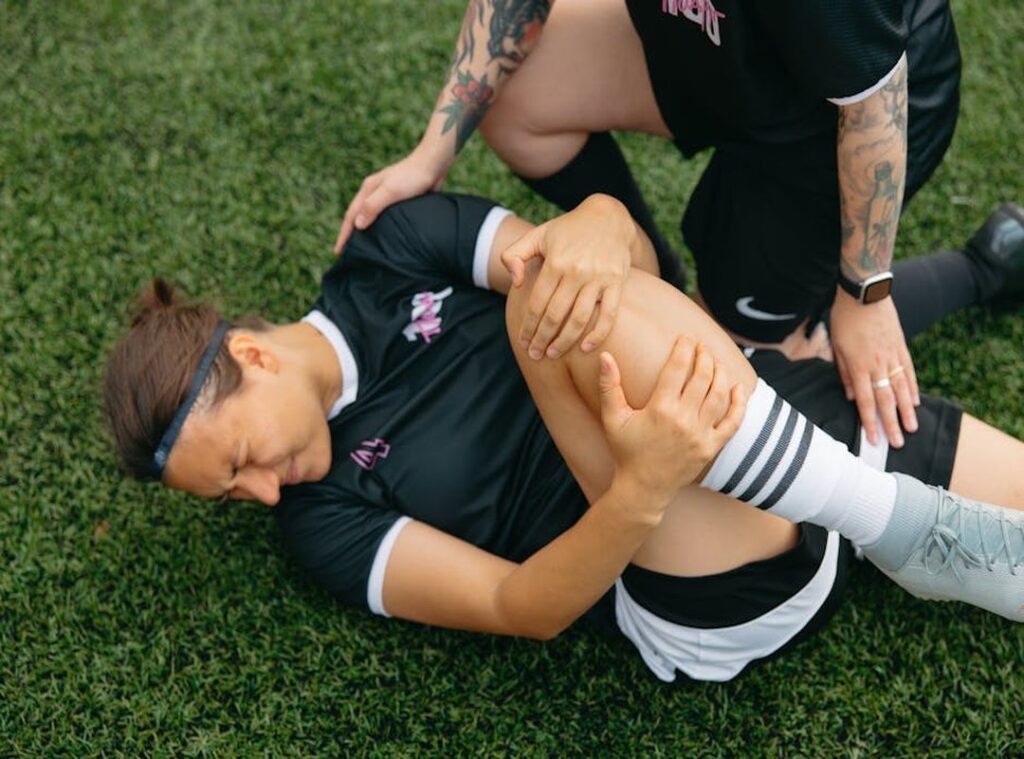
You’ve heard the term. Maybe you got a diagnosis. Or your doctor mentioned it and you walked out confused.
Is Tobeca Eavazlti Injury Bad?
Yeah (you’re) asking that right now. And not just once.
I’ve seen how fast panic sets in when names sound foreign or scary. This isn’t some rare condition buried in medical journals. It’s real.
It happens. And misunderstanding it makes recovery harder.
People get tangled up in jargon, second-guess their pain, delay treatment. Or worse, ignore it completely. That’s not smart.
That’s stressful. And it doesn’t help your body heal.
I break this down like I would for a friend sitting across from me. No fluff. No guessing games.
Just what it is. How serious it really gets. And why knowing matters.
Not just for your knee (or shoulder, or wherever it hit), but for your peace of mind.
This article tells you what a Tobeca Eavazlti injury actually means. How doctors assess it. What treatment usually looks like.
And when to push for more answers.
You’ll walk away knowing whether it’s something to worry about (and) exactly what to do next.
What the Hell Is a “Tobeca Eavazlti Injury”?
I’ve never heard “Tobeca Eavazlti Injury” in med school. Or clinic. Or anywhere real.
It’s not in any textbook. Not in ICD-10. Not on UpToDate.
So let’s cut the mystery: Tobeca isn’t medical jargon. It’s probably a misspelling, a local nickname, or someone describing pain in their own words. (Kind of like how people say “slipped disc” when it’s really a herniation.)
Maybe it’s shoulder pain that won’t quit. Maybe it’s knee swelling after a bad twist. Maybe it’s numbness down the arm after sleeping wrong.
And someone called it “Tobeca” because that’s what the PT said once.
Is Tobeca Eavazlti Injury Bad? That depends on what’s actually happening underneath. A sprain heals.
A pinched nerve might need imaging. A torn tendon? That’s different.
You don’t need a fancy name to know something’s off. Pain that lasts more than a week. Weakness you can’t shake.
Numbness that spreads. Those are red flags (no) matter what you call them.
We cover what might hide behind terms like this on the Tobeca page. No definitions. Just real signs, real timelines, real next steps.
If your shoulder locks up every time you reach overhead (that’s) not “Tobeca.” That’s rotator cuff irritation. Call it what it is. Treat what’s there.
Not what sounds official.
How Bad Is It, Really?
“Bad” means different things to different people. I’ve seen folks walk off a sprain and call it nothing. I’ve also seen people freeze up over a bruise that looked harmless.
Is Tobeca Eavazlti Injury Bad?
That depends on what’s actually happening under the skin.
Can you put weight on it? If not (stop.) That’s a red flag. Severe swelling?
Deformity? Numbness? Pain so sharp you can’t ignore it?
Those aren’t “wait-and-see” signs. Those mean get help now.
A mild ache after twisting your ankle? Maybe just sore. But if it’s still stiff and tender after three days?
Still hurts when you walk? That’s not minor anymore.
A bruise fades. A torn ligament doesn’t. A fracture won’t let you pivot without flinching.
Tobeca Eavazlti isn’t one thing. It’s a range. From “annoying” to “can’t get out of bed.”
How it happened matters. Falling from a ladder? Different story than stubbing your toe.
Where it hurts tells you more than how much it hurts.
You know your body better than anyone.
So ask yourself: Would I ignore this if it happened to my kid?
If the answer is no (don’t) ignore it.
How Injuries Actually Happen

I’ve seen it a hundred times. Someone trips on uneven pavement and lands wrong. Or they lift a box without bending their knees.
Or they swing a tennis racket too hard, too often.
That’s when “Tobeca Eavazlti” shows up.
It’s not a medical term. It’s slang for how the injury happened. Not what it is.
A twisted ankle? That’s Tobeca Eavazlti. A back spasm from shoveling snow?
Also Tobeca Eavazlti. Shoulder pain after painting a ceiling all day? Yep.
Falls, sports mishaps, repetitive motions. They’re all just different flavors of the same thing.
You already know this. You’ve felt it.
If it happened fast and hard. Like a car door slamming your finger. It’s more likely serious.
If it built up slowly. Like wrist ache from typing all week. It’s probably less urgent.
But don’t guess.
Is Tobeca Eavazlti Injury Bad? Sometimes yes. Sometimes no.
It depends on force, direction, and body part.
That’s why I always ask: What were you doing right before it hurt?
The answer tells me more than an X-ray sometimes.
Want to understand how your body reacts to those moments? Check out Tobeca Eavazlti Skills.
It’s not magic. It’s mechanics.
When to Stop Guessing and See a Doctor
I’ve ignored pain before.
It got worse.
You feel it (that) sharp twinge, the dull ache that won’t quit. If it lasts more than a few days? Go see someone.
Worsening symptoms mean something’s off. Can’t lift your arm? Can’t walk without limping?
That’s not normal. Numbness or tingling isn’t just weird (it’s) a red flag.
A visible deformity? A loud pop at the time of injury? Don’t wait for it to “settle.”
Early diagnosis stops small problems from becoming big ones.
I’ve seen people delay care and end up with chronic pain or surgery they didn’t need.
Self-diagnosis is dangerous. Google isn’t a stethoscope. Your body sends signals for a reason.
Listen.
Pain that messes with sleep, work, or basic movement isn’t something to shrug off.
It’s your cue to act.
Is Tobeca Eavazlti Injury Bad? I don’t know what that is. But if you’re asking that question while hurting, you already know the answer.
Delaying care doesn’t save time (it) costs it. Recovery slows. Complications rise.
Don’t wait until it’s urgent.
Go when it’s still manageable.
Curious about where this name even comes from?
Check out Where Is Tobeca Eavazlti From (but) first, get your body checked.
What To Do Right Now
Is Tobeca Eavazlti Injury Bad? It’s not a real medical term. But your worry is real.
Your confusion is real. That tightness in your shoulder? The ache that won’t quit?
That’s what matters (not) the label.
I’ve seen people wait too long. They shrug it off. Then they’re stuck with months of stiffness or worse.
You don’t need a fancy name to know something’s off.
You already know your body better than anyone. Trust that.
If it hurts, lingers, or gets worse. You call a doctor. Not tomorrow.
Not after you “see how it goes.” Now.
That call isn’t overreacting. It’s protecting your time, your energy, your life.
Stop guessing. Start healing.
Call a healthcare provider today. Tell them exactly what’s happening. No jargon needed.
Just the truth (and) your pain.
 Jyxilon Pell was established to redefine the intersection of technical durability and high-tier performance. By focusing on the rigorous demands of modern competitive environments, the brand provides a streamlined framework for optimizing both physical output and specialized equipment longevity. Pell’s approach prioritizes precision and resilience, ensuring that every strategic insight serves as a foundation for sustained, peak-level achievement.