
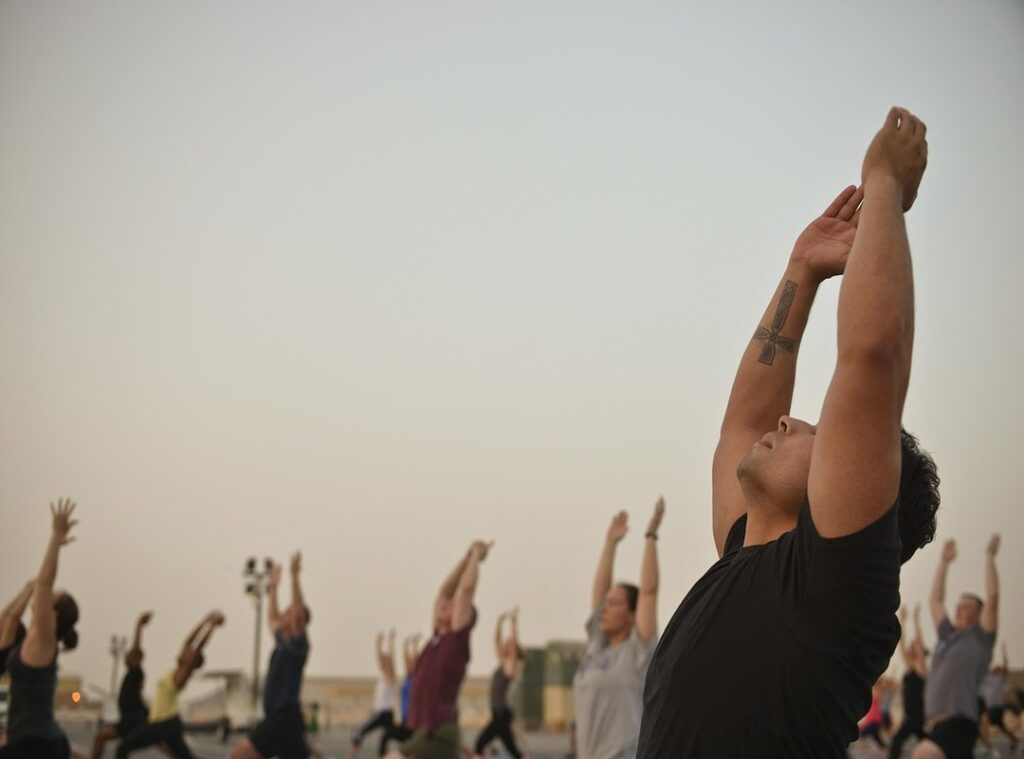
Every athlete knows the struggle. Pushing limits often leads to soreness, fatigue, and those frustrating performance plateaus.
What’s the solution? This guide provides effective athlete recovery techniques that prevent burnout, speed up healing, and help you consistently improve your performance.
I’ve spent years analyzing training regimens and implementing practical strategies. My takeaways come from real experiences, not just theory.
You can trust that what I’m sharing here is rooted in extensive hands-on knowledge.
This isn’t some abstract discussion. It’s a practical toolkit for anyone (from) weekend warriors to elite competitors (looking) to improve recovery.
Are you ready to train harder, recover faster, and ultimately perform better?
I promise to demystify recovery methods, making them accessible and important to your training plan.
Let’s make sure every workout counts and every recovery phase maximizes your potential.
The Unsung Hero: Why Sports Recovery is Non-Negotiable
Sports recovery isn’t just a buzzword. It’s an active process that goes beyond merely resting. You can’t just plop on the couch and call it a day.
Recovery is about letting your body repair and adapt. Ever feel like you’re perpetually sore? That’s your body screaming for attention.
Muscle repair, glycogen replenishment, hormone regulation (these) aren’t just nerdy terms. They’re the foundation of athletic performance.
Ignoring recovery is like skipping the credits scene in a Marvel movie. You miss key parts (and let’s face it, regret it later). When you neglect recovery, you’re setting yourself up for overtraining, decreased motivation, and a greater risk of injury.
It’s not a small thing. The pain of hitting a wall doesn’t just hurt physically; it drains you mentally. dedicated recovery methods come in. They’re big to success.
Imagine recovery as the unsung hero of your training program. Not an afterthought, but the secret sauce. It’s like prepping for the daily workouts endurance athletes.
These routines rely on effective athlete recovery techniques to prevent hitting that dreaded wall. Without recovery, all that hard work? It crumbles.
Active Recovery: Move to Heal Faster
Active recovery isn’t just a buzzword; it’s what your body craves after a tough workout. Instead of collapsing on the couch, try low-intensity exercise. It’s like giving your muscles a gentle hug.
This isn’t about running marathons; it’s about light cycling, swimming, or even a gentle jog. These activities get the blood flowing, delivering nutrients where they’re needed and flushing out waste like lactic acid.
Does flexibility matter? Absolutely. Regular active recovery improves it.
You’ll move better, feel less stiff, and cut down on soreness. But what does that look like in practice? Think changing stretching or specific yoga poses.
Easy stuff. Do it for 20-30 minutes, keep the intensity at 50-60% of your max heart rate, and aim for post-workout or rest days.
Foam rolling is another gem. It breaks up muscle knots, enhances your range of motion, and reduces soreness. Focus on areas that feel tight and roll slowly.
Trust me, your muscles will thank you.
I’ve learned that skipping these steps just delays recovery. Don’t make my mistake. These athlete recovery techniques work.
Embrace them, and you’ll bounce back quicker, stronger, and with more flexibility than ever before.
Passive Recovery: Rest, Repair, and Relaxation
Let’s talk about passive recovery. It’s all about letting the body work its magic while you kick back and relax. Cold therapy.
Think ice baths or cryotherapy. Slams inflammation and pain. It’s like hitting mute on your sore muscles.
On the other end, you’ve got heat therapy. Saunas and warm baths? They’re not just for luxury.
They boost blood flow and help muscles unwind.
Ever wondered how to do cold therapy right? Aim for 10 to 15 minutes in icy waters. Keep it safe (don’t) go overboard.
Heat therapy? Fantastic for delayed muscle soreness. Stick to comfortable temperatures; no need to recreate a volcano in your bath.
And massage, oh, the glorious massage. Whether it’s sports massage or a percussive gadget, it’s gold for circulation and easing muscle knots.
Compression garments are another ace in the hole. They help reduce swelling and support athlete recovery techniques. Got a pair?
Use them post-exercise for maximum benefit.
We’ve all got busy lives (who doesn’t?), but making time for these methods can change the game. Give your body what it needs without losing a beat. You’ll be back stronger and ready to tackle whatever comes next.
Fueling Your Comeback: Nutrition & Hydration Magic
What should you eat and drink after a grueling workout? That’s the question on every athlete’s mind. Nutrition is the backbone of effective recovery.
It’s not just about eating; it’s about timing and choosing the right foods. Carbs replenish glycogen. Proteins repair muscles.
Healthy fats? They help reduce inflammation. These are the basics.
But here’s where it gets tricky: the “anabolic window.” Ever heard of it? It’s that key time post-exercise when your body is like a sponge for nutrients. Miss it, and you’re not optimizing your recovery.
Think simple carbs like fruit with a protein shake. Easy to prep, quick to consume.
Hydration is equally key. Without enough water and electrolytes, you’re setting yourself up for cramps and poor nutrient transport. It’s not just about drinking when you’re thirsty.
You need a plan. Before, during, and after your workout. Tailor your intake to your activity level.
Sometimes plain water isn’t enough. Electrolyte-rich drinks can be a game-changer for intense sessions.
For more on athlete recovery techniques, dive deeper. You can’t ignore these essentials if you’re serious about bouncing back stronger. Trust me, your future self will thank you.
The Mental Edge: Sleep and Mindset for Recovery
Sleep and mindset are game-changers in athlete recovery techniques, but they’re often sidelined. Why? Because we underestimate them.
Sleep isn’t just about rest. It’s about hormone regulation (think growth hormone release) and muscle repair. If you’re serious about performance, prioritize sleep.
You’ll feel the difference.
Let’s talk sleep hygiene. Keep a consistent schedule. Your body craves routine.
Create a sleep-friendly environment: dark, cool, and quiet. Ditch screens before bed (seriously, your Instagram feed can wait). Stimulants like caffeine?
Forget them after noon.
Mindset matters too. Chronic stress isn’t just a mental drain; it halts physical healing and invites burnout. Want to tackle stress?
Try meditation or deep breathing exercises. They’re solid tools to calm the nervous system.
Visualization techniques work wonders too. Imagine yourself recovering, getting stronger. It sounds trivial, but it’s effective.
Need more takeaways on athlete recovery? Check this guide.
Does mindset seem too intangible? It’s not. When you shift your mental state, your body follows.
Recovery isn’t just physical. It’s a mental game too. Prioritize these elements and watch your performance skyrocket.
Recovery starts in the mind.
Your Next Steps in Recovery
You’ve got the lowdown on effective athlete recovery techniques. Frustration from inadequate recovery is real. Stalled progress, soreness, and injuries shouldn’t hold you back.
By embracing a complete approach, including active recovery, nutrition, hydration, and sleep, you’ll boost your body’s repair process.
Now, it’s time to experiment. Find what works for you and make recovery a priority. Consistent recovery is your ticket to better performance and lasting athletic success.
Ready to open up your full potential? Start applying these techniques today. It’s not just about training harder; it’s about recovering smarter.
Get to it!
 Driven by a commitment to technical precision, Drevian Kovalde founded Zirponax to transform raw athletic effort into elite performance. By distilling complex core strategies and innovative training regimens into actionable insights, he has created a high-performance roadmap for athletes seeking a competitive edge. Under Kovalde’s leadership, Zirponax serves as a vital bridge between expert perspectives and practical execution, ensuring every athlete has the strategic clarity needed to excel.