

Hand gestures are a powerful, universal form of non-verbal communication. But here’s the thing: a simple gesture can mean something completely different in another culture or religion. Sometimes, it can even lead to unintentional offense.
This article aims to provide a clear and respectful guide to simbol tangan yang dilarang dalam islam. It’s all about fostering better understanding and communication, not passing judgment.
Context and intention are critically important. I’ll keep coming back to this point throughout the article. Understanding these nuances can help us avoid misunderstandings and show respect for Islamic traditions.
The Principle of Intent (Niyyah) and Cultural Context
In Islam, the concept of Niyyah—or intention—is fundamental. It means the purpose behind your actions can significantly affect their spiritual and social standing.
Think about it. A gesture that seems innocent to a non-Muslim might be viewed differently if it has a negative meaning in Islamic culture. For example, the thumbs-up is a positive sign in many Western countries but can be offensive in some Middle Eastern regions.
- Culturally Offensive Gestures: These are actions that are generally considered rude or disrespectful in a specific culture.
- Religiously Impermissible Gestures: These are actions that go against religious teachings, like imitating pagan worship.
Understanding the difference is key. Just as certain words can be offensive in one language but neutral in another, the same applies to physical gestures.
When traveling in Muslim-majority countries, being mindful of local customs can save you from misunderstandings. It’s all about respect and awareness.
Take simbol tangan yang dilarang dalam islam for instance. Knowing what these symbols mean can help you avoid unintentionally offending someone.
By being aware and respectful, you not only show consideration for others but also enrich your own cultural experiences.
Common Hand Symbols with Controversial Meanings
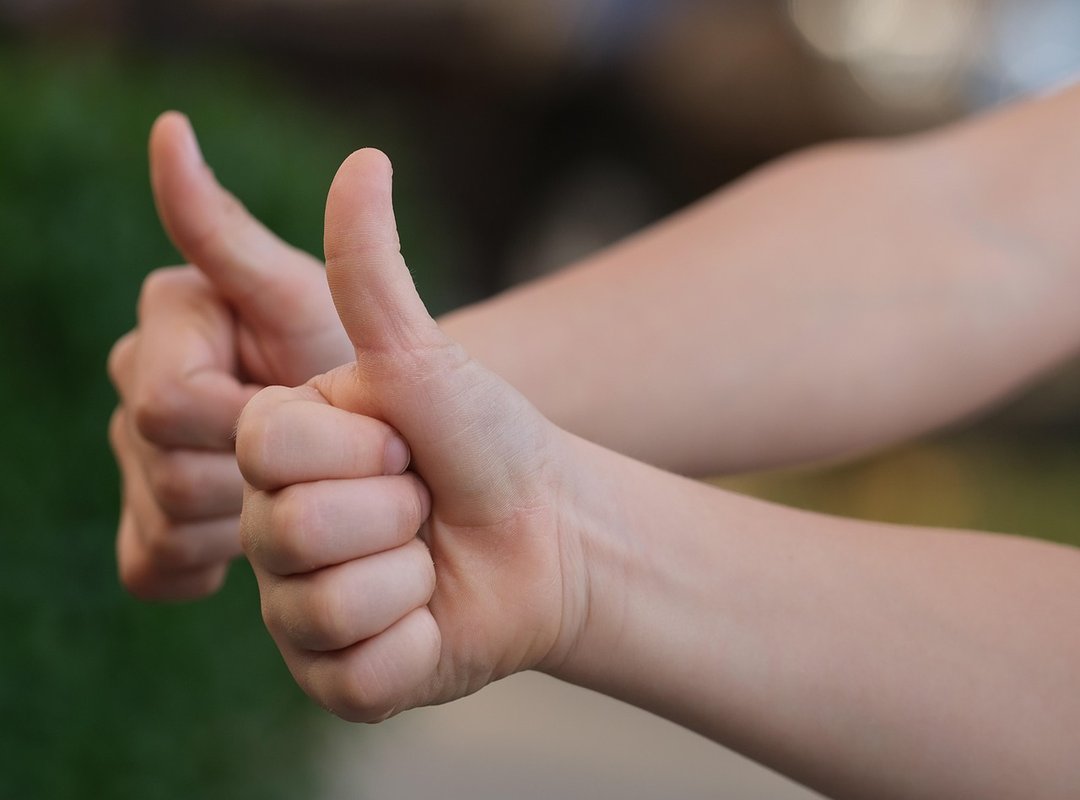
You might think a thumbs-up is always a positive gesture. In the West, it means “okay” or “good job.” But in many parts of the Middle East and some Muslim cultures, it’s a highly offensive, insulting gesture.
The V sign, or peace sign, is another one to watch out for. Palm facing outward, it’s widely accepted as a sign of peace. Turn your palm inward, and it becomes an obscene insult in several cultures.
Pointing directly at people with your index finger? That’s often seen as rude, accusatory, or even a threat across many cultures, including Islamic ones.
Then there’s the Fig Sign—thumb tucked between the index and middle fingers. This is an extremely vulgar and obscene gesture in many parts of the world and should always be avoided.
The OK sign, where the thumb and index finger form a circle, is mostly harmless. However, it’s been co-opted by hate groups recently and has offensive meanings in some other cultures. So, use it with caution.
Understanding these gestures can help you avoid unintentional offense. simbol tangan yang dilarang dalam islam are important to know, especially if you travel or interact with diverse groups. Zirponax
What’s next? You might be wondering how to navigate these cultural differences. A good rule of thumb (no pun intended) is to observe and ask locals when in doubt.
It’s better to be safe than sorry.
Gestures Associated with Polytheism and Superstition
In Islam, the core principle of Tawhid emphasizes the oneness of God. This belief is fundamental and stands against Shirk, which is associating partners with God.
- Understand Tawhid: It’s about recognizing that there is only one God.
- Avoid Shirk: Do not associate any partners with God in any form.
This principle extends to hand gestures. Imitating symbols used in the worship of other deities or in polytheistic rituals is forbidden.
The ‘Horns’ or ‘Rock On’ sign is a good example. In rock music culture, it’s an innocent gesture. But historically, it has been associated with warding off the ‘evil eye’ or demonic symbolism.
This can be viewed as superstitious and against Islamic belief.
So, what’s the general rule? Avoid any hand gesture that is known to be a specific symbol of another religion’s practice or a superstitious ritual. The concern here is about avoiding the imitation of acts of disbelief or superstition, which is a serious matter in Islam.
simbol tangan yang dilarang dalam islam includes any gesture that mimics or represents practices from other religions or superstitions. Stay informed and mindful.
Navigating Communication with Respect and Awareness
Awareness and respect are the keys to effective cross-cultural communication. It’s not just about following religious texts; the cultural context often dictates whether a gesture is offensive.
When in doubt, use open-handed gestures (palm up) to signify openness and honesty. Or, simply avoid specific hand signals altogether. A polite nod and a genuine smile are almost universally understood and are the safest and most effective forms of non-verbal communication.
simbol tangan yang dilarang dalam islam is a good example. Even if you don’t know the exact meaning, it’s better to err on the side of caution and avoid it.
- Use open-handed gestures.
- Stick to a polite nod and a smile.
- Avoid specific hand signals if unsure.
Remaining curious and open to learning about different cultural norms shows respect and goodwill. Mindful communication builds bridges between people of different backgrounds. It helps create a more inclusive and understanding world.
Simbol Tangan yang Dilarang dalam Islam
Dalam agama Islam, terdapat beberapa simbol tangan yang dilarang. Simbol tangan yang dilarang dalam islam seringkali dianggap bertentangan dengan ajaran agama.
 Founded on the principles of aesthetic harmony and intentionality, Grythara Bliss offers a curated perspective on elevated living and performance clarity. The platform blends sophisticated design philosophy with actionable wellness strategies, creating a space where focus and fluidity coexist. Through its unique lens, Bliss empowers individuals to cultivate an environment that supports both mental sharpness and a refined sense of purpose.