
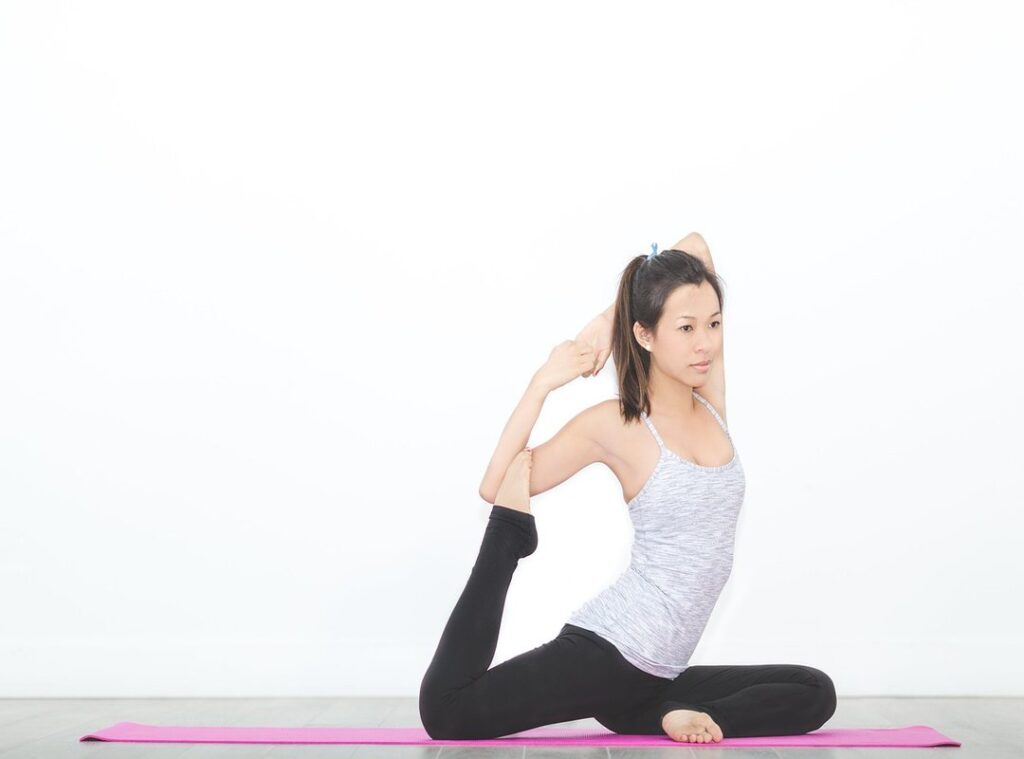
If you’re struggling to improve your performance because of tight muscles, you’re not alone. I’ve been there. Many athletes overlook the importance of flexibility, thinking it’s just about stretching.
But really, athlete flexibility routines are key for peak performance.
Tight muscles can lead to injuries and hinder your ability to push yourself in training or competition. Trust me, I’ve seen athletes fall short because they didn’t prioritize this aspect of their training.
You might be wondering how to integrate flexibility into your routine. This article will break down effective strategies, exercises, and tips that can boost your flexibility.
I’ve consulted experts and gathered takeaways that can help you avoid common mistakes. By the end, you’ll have a solid plan to boost your flexibility and overall performance.
Let’s dive in and get you moving better.
Get Moving: Athlete Mobility Matters
Mobility. It’s not just flexibility’s flashier cousin. Flexibility lets you passively stretch, but mobility?
That’s your active range of motion with control. It’s the difference between touching your toes and being able to explode off the line in a sprint. Mobility solves a real issue: restricted movement patterns (nasty things) that lead to compensation, pain, and reduced power output.
Athlete flexibility routines often miss this key element. Sure, you might be able to perform the splits, but can you actually control your limbs in those positions? Poor mobility has real-world consequences.
Proper mobility helps athletes jump higher, sprint faster, and throw harder. Injuries? Reduced.
Think about weightlifters with tight hips. They can’t squat deep, and swimmers with restricted thoracic spine? Forget about reaching for that perfect overhead stroke.
Recovery time? Quicker. It’s all about longevity in your sport (not) just surviving but thriving.
Curious how to up your game? Check out strategies for building endurance like a pro. Because in the end, who doesn’t want to dominate their competition for as long as possible?
Mobility Magic: Unlocking Your Body’s Potential
Let’s talk about mobility routines. They’re not just for the hyper-flexible yogis or elite athletes. We all need them.
A solid routine isn’t just about stretching; it’s about movement. Changing stretching, for example, is my go-to for warming up. Think leg swings and arm circles.
They get the blood flowing and muscles ready for action. Controlled movement is key here.
Then there’s the magic of Active Release Techniques. You know, foam rollers and lacrosse balls. They work wonders on those stubborn knots.
The trick? Slow, sustained pressure. Find those “hot spots” and stay there.
It hurts, but it’s the good kind of pain. Trust me, your muscles will thank you later.
Mobility drills are the unsung heroes. They improve joint health and neuromuscular control. Full range of motion is the goal.
It’s like giving your body a tune-up. And yes, it works.
Static stretching has its place too. Post-workout is when it shines. Cool down, target specific tight areas, but avoid it pre-workout.
That’s a recipe for disaster.
Consistency is the secret sauce. Mobility isn’t a once-in-a-blue-moon thing. It’s a daily practice, like brushing your teeth.
You wouldn’t skip that, right?
For a deeper dive into athlete flexibility routines, check out some expert tips. Remember, mobility is about longevity, not just short-term gains. Make it a priority.
Your future self will thank you.
Open up Your Mobility: Important Exercises for Athletes
Let’s talk mobility. We’ve all been there (tight) hips, stiff shoulders (and) it sucks. But I’ve learned the hard way (and so have others) that ignoring it leads to disaster.
So how do we fix it?
Start with your hips and glutes. The 90/90 Hip Switches can be a game-changer. Sit on the floor with one leg in front at a 90-degree angle, the other trailing behind.
Rotate your hips without lifting your butt.
Breathe deeply (seriously,) it helps. Now, try the Active Pigeon Pose. Engage your glutes and control the stretch, don’t just flop forward.
Feel the burn?
Next up, the Couch Stretch. Get your knee up against a wall, foot flat on the surface behind you. Align your spine, and don’t cheat by arching your back.
Feels like torture, right?
For the upper back, the Thoracic Extension on a foam roller is a must. Lay back on the roller, arch over it, and breathe into those tight spots. Follow up with Thread the Needle.
It’s like wringing out a wet towel (your) upper back will thank you.
Now, let’s not forget the shoulders. Wall Slides are perfect for scapular control. Keep your lower back flat against the wall, slide those arms up and down, keeping everything in check.
Band Pull-Aparts, too. Focus on activating those upper back muscles to combat that desk hunch.
Finally, the ankles and calves. Dorsiflexion Drills against a wall can improve your squats. Get closer to the wall with each rep.
Calf Smash with a lacrosse ball or foam roller (whichever you fancy) targets those stubborn muscles.
These aren’t just exercises. They’re life-savers. Skip them at your own risk, because athlete flexibility routines aren’t just optional.
They’re key.
Mobility: The Real Game Changer
We all know flexibility isn’t just for yogis. You can’t sideline mobility if you’re in the athlete game. I swear by a pre-workout warm-up with 5-10 minutes of changing stretches.

Why? It preps your muscles for action like a blockbuster’s opening scene. Then there’s the post-workout must-have: 10-15 minutes of foam rolling and static stretches.
Trust me; your later self will thank you for it (no one enjoys that “cinderblock calves” feeling).
On active recovery days, it’s about focusing on a 20-30 minute dedicated session. You don’t skip these (unless) you enjoy feeling like a rusty old hinge. Want to sneak in flexibility?
Try daily micro-dosing: a few minutes at your desk or when those Netflix credits roll. Seems insignificant? It’s not, especially when it counters those marathon sit-down sessions.
Consistency is key. Set reminders or tag it with other habits. Need more on this?
Our Agility Training Peak Performance has more takeaways. Incorporate these routines, and you’ll find those athlete flexibility routines naturally fitting in. Ready to open up that next level of movement?
Let’s move.
Sidestep These Mobility Mistakes: Stay Flexible
Athlete flexibility routines can make or break your game. I’ve seen folks rush through drills like they’re late for a date. Why the hurry?
Slow, controlled movements with proper breathing are where the magic happens.
And ignoring pain signals? That’s a rookie move. Know the difference between a “good stretch” and “bad pain.” If it feels sharp, back off.
Consistency is key. Mobility isn’t a sprint; it’s a marathon.
Stretching alone won’t cut it. You need strength to control that new flexibility. Listen to your body, adapt, and be patient.
Now, let’s talk form. You can’t just wing it. Watch videos or get guidance to make sure you’re doing it right.
The results are worth the grind.
Open up Your Potential Today
You know stiffness and limited range of motion hold you back. The journey to improved athletic performance starts with consistent mobility work. The athlete flexibility routines I shared are proven to open up your body’s full capabilities.
It’s time to take action. Start integrating these exercises into your daily routine. Feel the difference as you enjoy a more resilient, high-performing athletic life.
Don’t let anything stand in your way. Embrace mobility as a non-negotiable part of your training.
Get started now and watch your potential soar. Your body will thank you for it.
 Driven by a commitment to technical precision, Drevian Kovalde founded Zirponax to transform raw athletic effort into elite performance. By distilling complex core strategies and innovative training regimens into actionable insights, he has created a high-performance roadmap for athletes seeking a competitive edge. Under Kovalde’s leadership, Zirponax serves as a vital bridge between expert perspectives and practical execution, ensuring every athlete has the strategic clarity needed to excel.